How Our Insurance Claim Assistance Works, Step by Step
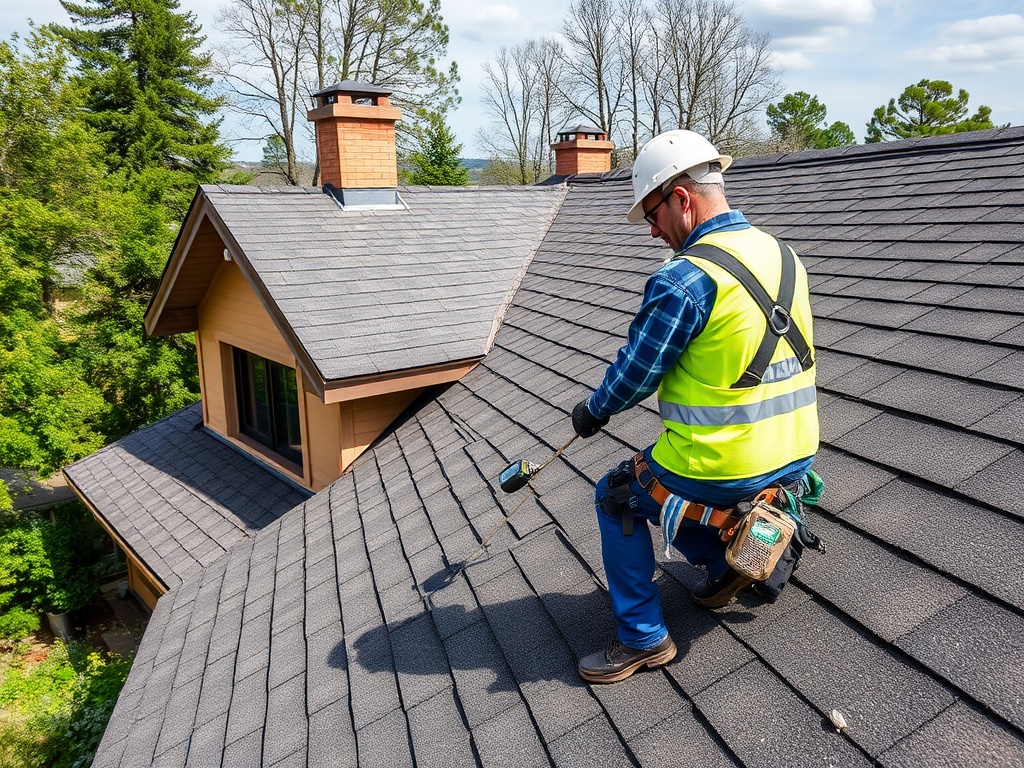
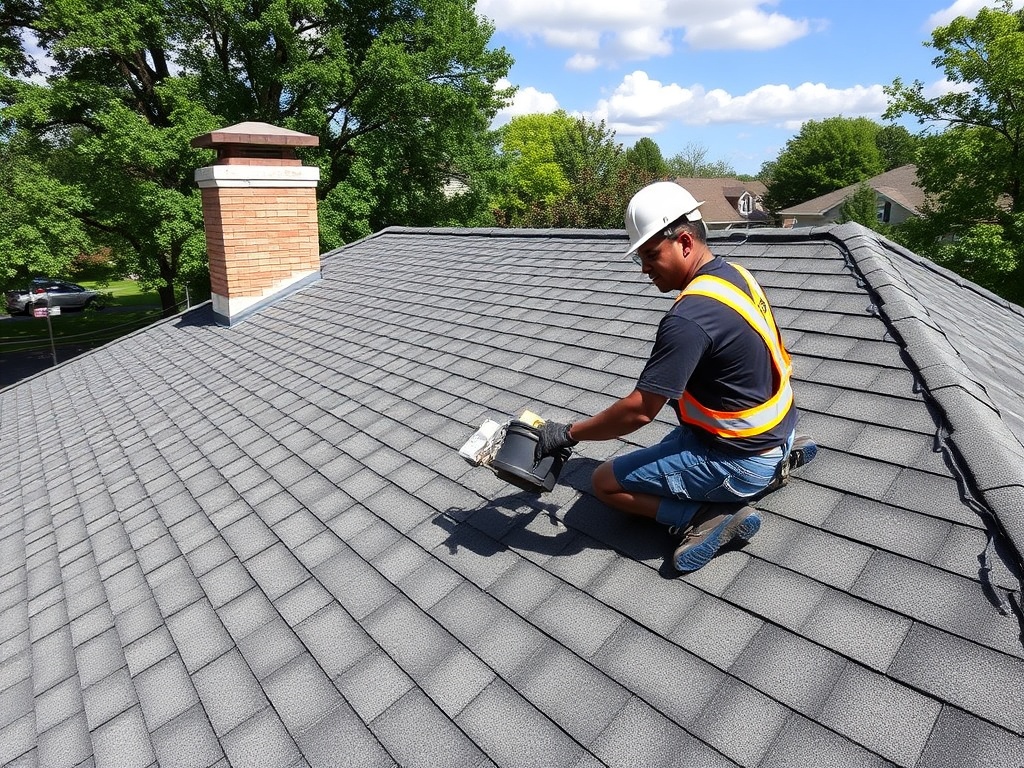
An insurance claim on a roof lives or dies on paperwork. We start with a roof inspection, photograph every slope, and hand your carrier a scope of work it can actually price.
- We inspect the rooftop and roofline, then map hail damage and wind damage slope by slope.
- We fly drone photo packages so your claim documentation shows granule loss at true scale.
- We build Xactimate scope documentation, the same estimating format most carriers use to price a claim.
- We order ITEL shingle sampling when your asphalt shingle is discontinued, so the estimate reflects a real color and profile match.
- We meet your adjuster on the roof and walk the decking before the report gets written.
- We file the supplement when the first scope misses rotten sheathing, flashing, or a hidden ice dam.
- We help complete the proof of loss form and track depreciation so you collect replacement cost.
- We tarp the roof the same day when water is moving, because mitigation protects the house and the claim.
What We Document Across Your Roof and Attic
Every component that moves water off the house gets its own line item, measured and photographed.
- The eave and drip edge, where wind-driven rain first slips under the roof deck.
- Step flashing and counter-flashing at sidewalls, plus chimney flashing and apron flashing.
- Pipe flashing and vent boot collars, which crack years before the shingle around them fails.
- Valleys, where two roof planes meet and debris piles up fastest.
- The ridge, ridge cap, and ridge vent, checked for wind uplift and overdriven fasteners.
- Rake edges, fascia, soffit, and soffit vent, since rot there usually starts higher up.
- Gutter and downspout runs, which clog with granule loss and back water into the fascia.
- Roof deck panels, plywood or OSB sheathing, and the purlin, batten, and counterbatten framing under metal.
- Attic insulation and ventilation, including any attic fan pulling humid Gulf air across the decking.
- Weatherproofing layers such as felt, roofing felt, tar paper, synthetic underlayment, and ice-and-water shield at the eave.
- Snow guard brackets and roof anchors on steep metal sections, noted even in a mild winter.
- Verge edges, gable trim, and boot flashing details that a street-level inspection always misses.
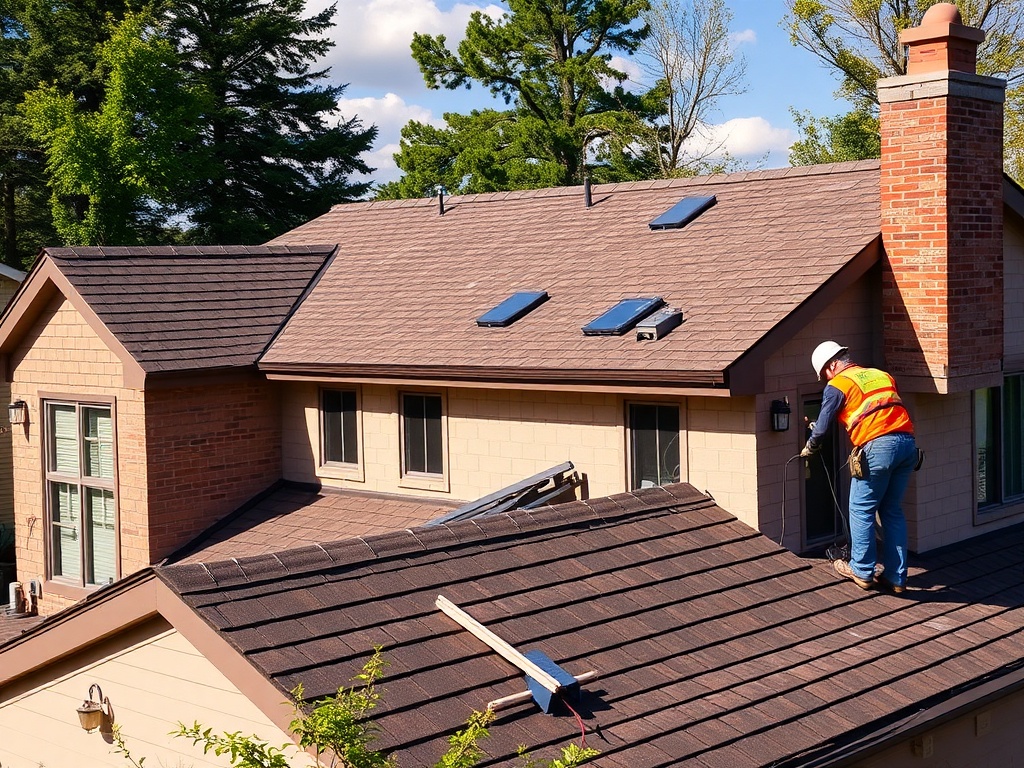
- Hip, gable, mansard, and gambrel shapes each carry different flashing counts, so the roofline changes the estimate.
- Small structures count too, and a canopy, awning, or porch overhang gets its own scope notes.
Roofing Materials and Why the Scope Changes With Them
Carriers price roofing materials differently, and the wrong line item is the quickest route to a denied supplement.
- Asphalt shingle and architectural shingle dominate local roofs, while three-tab shingle is nearly impossible to color-match today.
- Wood shake and cedar shake claims usually require a full tear-off, because shakes cannot be overlayed.
- Slate, clay tile, and concrete tile shatter in a hail damage event, and each broken piece is priced separately.
- Metal panel, standing-seam panel, and corrugated panel claims turn on fastener corrosion, not just surface dents.
- Membrane assemblies like TPO, EPDM, and PVC membrane, plus modified bitumen and built-up roof systems, fail at seams and terminations.
- Old tar and pitch surfaces on low-slope roofs sometimes qualify for a recover instead of a replacement, which we explain honestly.
- Adhesive, coating, sealant, and caulk are line items too, because a roofer who skips them bills you again next spring.
Warning Signs That Justify a Claim
Storm damage rarely announces itself. These are the patterns we find after a Gulf thunderstorm or a hail event rolls through.
- Granule loss that leaves bald patches once asphalt and bitumen have oxidized.
- Bruised shingle mats and dented metal that mark hail damage on a windward slope.
- Water that seeps through a nail or screw hole and then wicks along the rafters.
- Rot and decay in the fascia, soffit, or decking behind a slow, invisible drip.
- A sag or settle in the roofline pointing to a tired truss, rafter, joist, or ridge beam.
- End-of-life wear showing as cracking, curl, buckle, blister, split, and alligatoring across the field course.
- Peeling, flaking, and spalling coatings on a parapet or coping that let water reach the substrate.
- Leaks at a skylight, dormer, chimney, or scupper where sealant and mastic have dried out.
Timelines, Costs, and the Tools That Get It Done
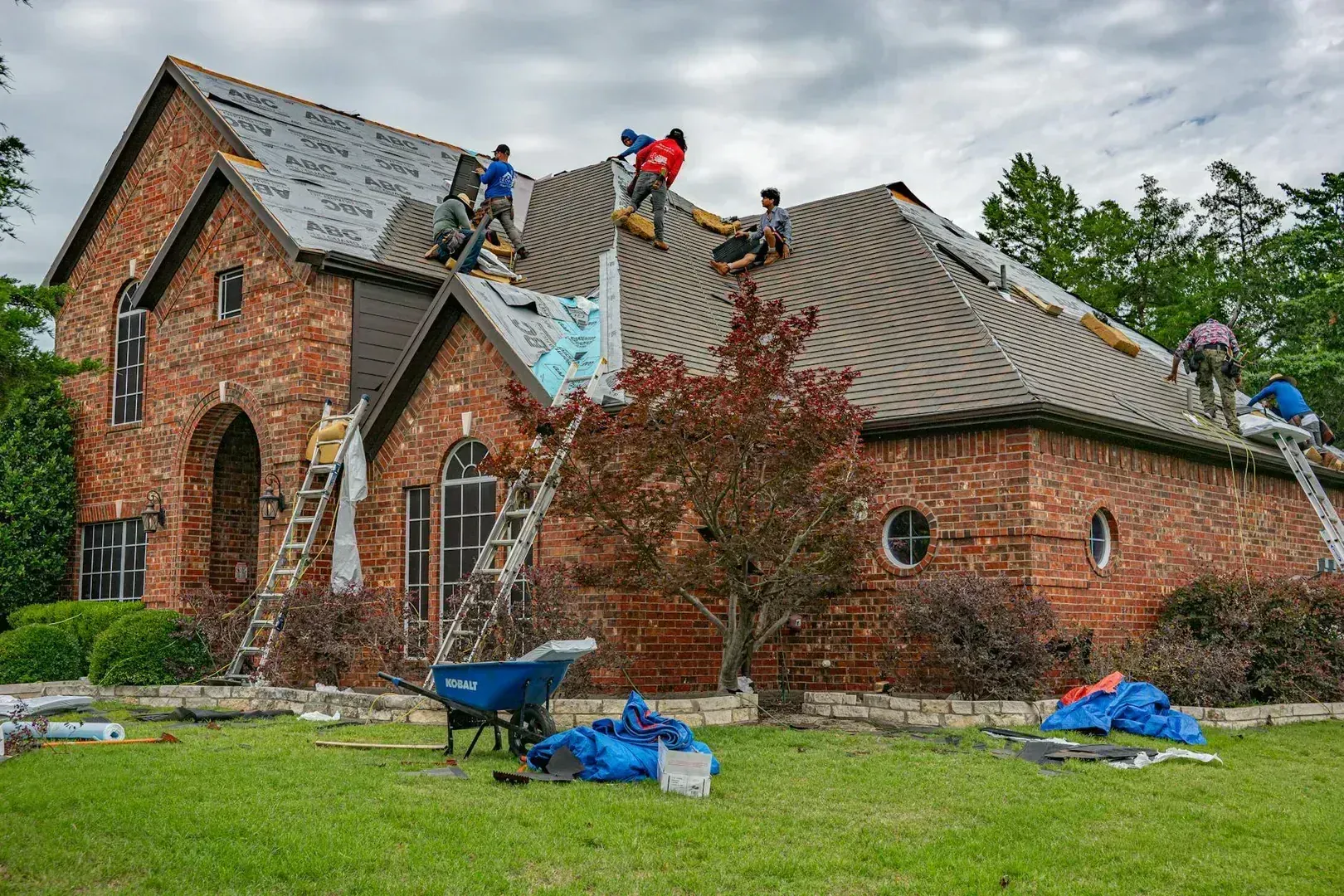
Emergency mitigation with a tarp happens the same day you call. A full roof replacement usually runs one to three days once the dumpster lands and materials arrive.
The decking decides the final number. Nobody knows whether sheathing needs replacement until the tear-off exposes it, and we quote that risk before work starts instead of after.
Policy coverage, your deductible, and depreciation decide what you actually pay out of pocket. We are a licensed & insured roofing contractor in Houston, TX, and every estimate is free.
- Scaffold and ladder staging keep crews off a wet slope after a storm cell passes.
- Safety harness and anchor points protect every worker on a two-story pitch.
- Roofing square, pry bar, and roofing shovel handle tear-off without cracking deck panels.
- Nail gun, air compressor, and ring-shank nails set fasteners to the depth building code expects.
- Torch work reseals modified bitumen seams, while mastic and roof cement patch boot flashing.
- One dumpster holds most of the debris, and we schedule it so your driveway clears fast.