How Roof Repair Works, Step by Step
Roof repair is a diagnostic job long before it is a construction job. Our roof inspection follows water uphill from the stain on your ceiling back to the true entry point.
Water rarely enters where it exits. It seeps through a gap at the ridge, wicks along a rafter, then drips ten feet away above a joist.
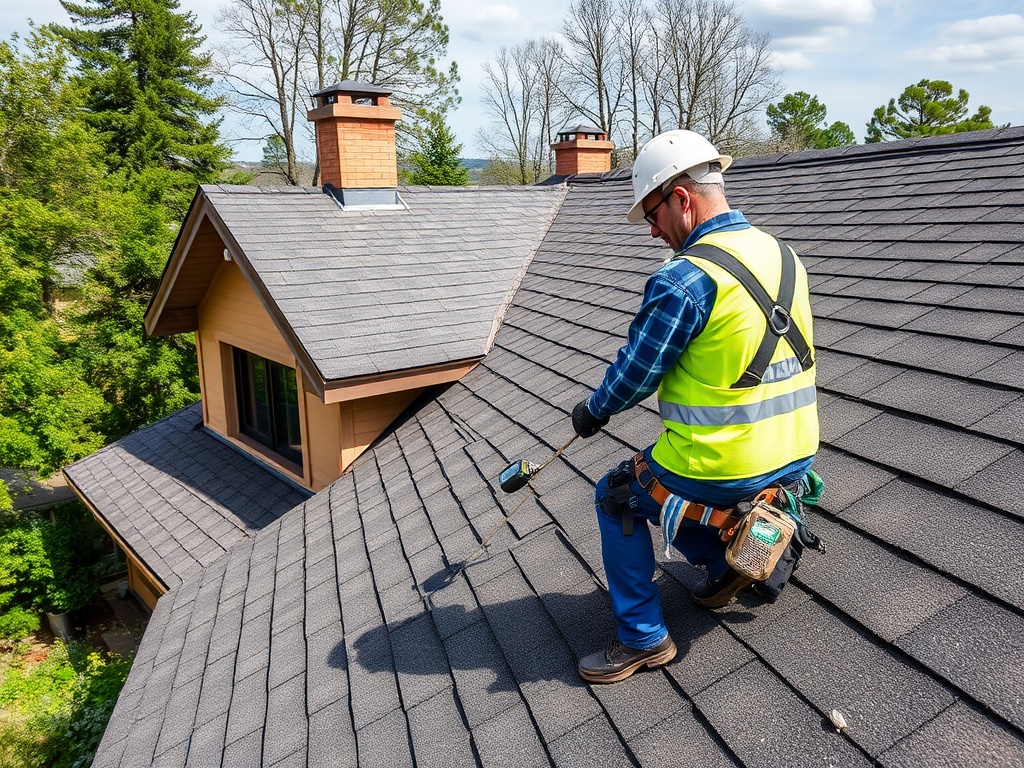
- We walk the roof deck and check the substrate for rot and decay around the chimney and dormer.
- We lift the failed shingle with a pry bar and inspect the underlayment beneath it for tears.
- We reset the flashing: step flashing at sidewalls, apron flashing at the chimney, counterflashing in the masonry chase.
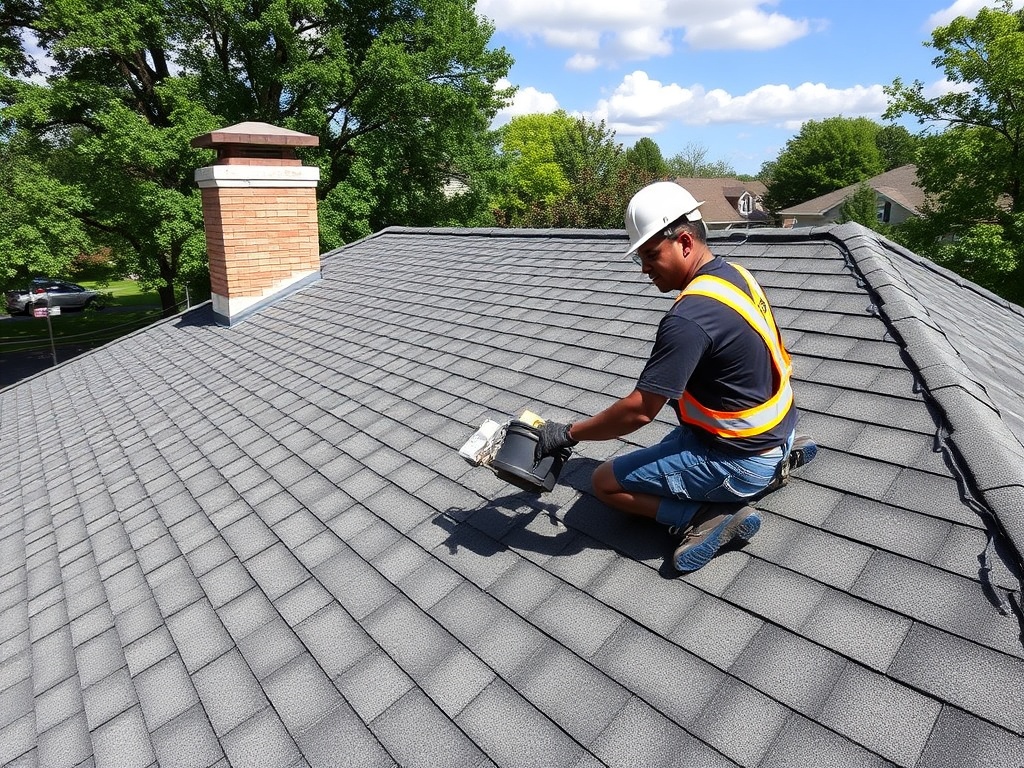
- We fit a new pipe boot and vent boot, then caulk the seams with roof cement or mastic rated for high heat.
- We replace a bent drip edge and the starter course where wind has peeled the rake, then hand-seal each tab.
- We re-nail with ring-shank nails and stagger courses so the field course ties back into your existing pattern.
- We bag the debris into a dumpster and water-test the repair before we leave your driveway.
Roofing Materials We Match to What You Already Have
Matching matters more than most homeowners expect. A patch of three-tab shingle on an architectural shingle field reads like a scar from the street and can trap water at the seam.
- Asphalt shingle and architectural shingle cover most residential roofing here, while three-tab shingle is thinner and fades faster under UV.
- Wood shake and cedar shake swell in our humidity, so they need wider spacing and real ventilation underneath.
- Slate, clay tile, and concrete tile are heavy, and adding a square can overload a truss, rafter, or ridge beam.
- Metal panel, standing-seam panel, and corrugated panel shed water fast but need exposed fastener checks and fresh gaskets.
- Low-slope sections take a membrane: TPO, EPDM, or PVC membrane, sometimes a modified bitumen cap over a built-up roof.
- Synthetic underlayment has replaced roofing felt and tar paper, and ice-and-water shield belongs in the eave and valley.
What Our Roof Inspection Looks For
An honest assessment names the failure and its cause. Granule loss on a shingle near the end of its service life is normal wear; the same granule loss on a young roof points somewhere else.
- Curl, buckle, and crack show on south-facing slopes where heat and UV erode the asphalt and bitumen.
- Blister, peel, and delamination mean moisture is pushing the mat apart from underneath.
- Sag and settle along the roofline warn that a truss or purlin has taken on water and lost strength.
- Rust, corrosion, and spalling on metal start at a scratched coating and spread across the sheet.
- Ponding water stresses the membrane, the insulation board, and every lap in the system.
- Missing or bruised shingle from hail damage is nearly invisible from the ground.
A good roofer photographs what the leak damaged before quoting anything. Every roofer who guesses a price from the curb is guessing with your money.
Details Around Your House That Cause Most Leaks
- Gutter and downspout runs back up under the eave when clogged, and the fascia rots first.
- Ridge vent and soffit vent need to balance; attic heat otherwise bakes the sheathing while an attic fan hides the symptom.
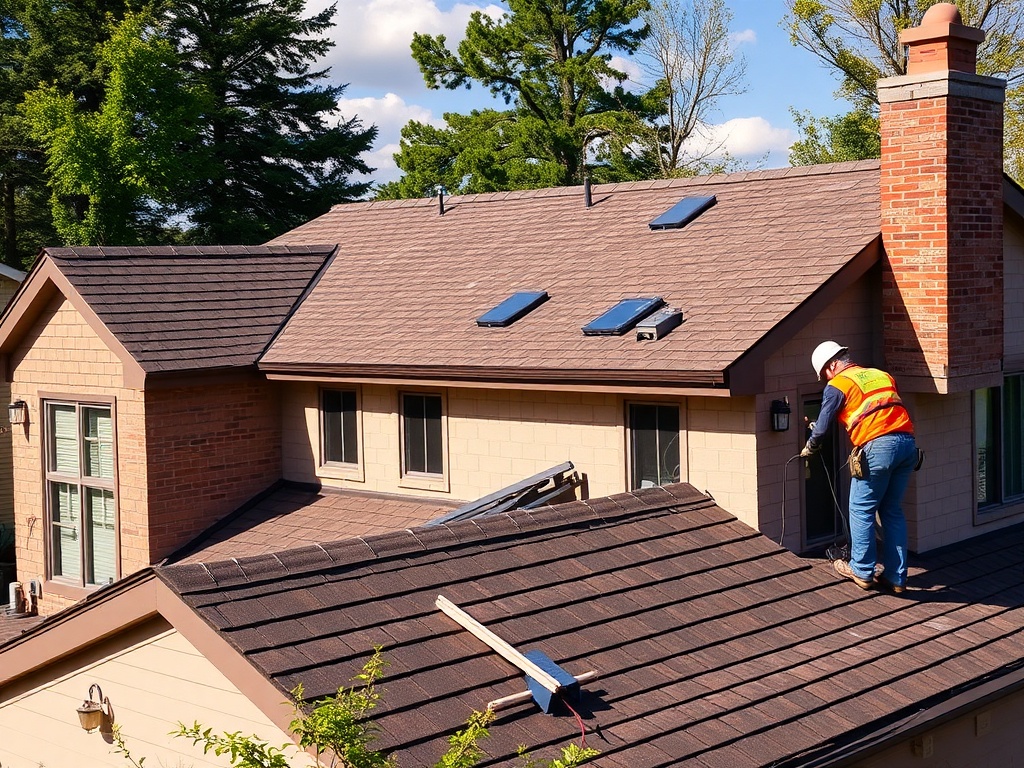
- Skylight, dormer, chimney, and parapet each interrupt the field and need their own flashing detail.
- Hip, gable, and verge edges catch wind first, so we anchor edge metal and check every screw and nail.
- Mansard, gambrel, canopy, and awning roofs hide valleys where debris collects and water sits all summer.
- Scupper and coping on flat rooftops turn a drain into a pond when blocked, and loose coping lets water behind the wall.
- Vapor barrier and insulation: if the attic is wet, waterproofing the top only moves the problem sideways.
- Snow guard and anchor points are rarely needed here, but they matter if you walk the roof for maintenance.
- Roof maintenance tips pay better than roofing technology: clear the debris each fall and reseal the visible caulk.
- Energy efficiency starts with ventilation and reflective coating, and green roofing choices only pay off once the attic is sealed.
Houston Conditions, Timelines, and Cost Drivers
Local expertise matters more here than a national brand name. High humidity and frequent thunderstorms do most of the damage, and Gulf winds create uplift that lifts the first loose course they find.
Most repairs finish in one day. A pipe flashing or a run of step flashing takes a few hours, and decking work adds a day so new sheathing can dry.
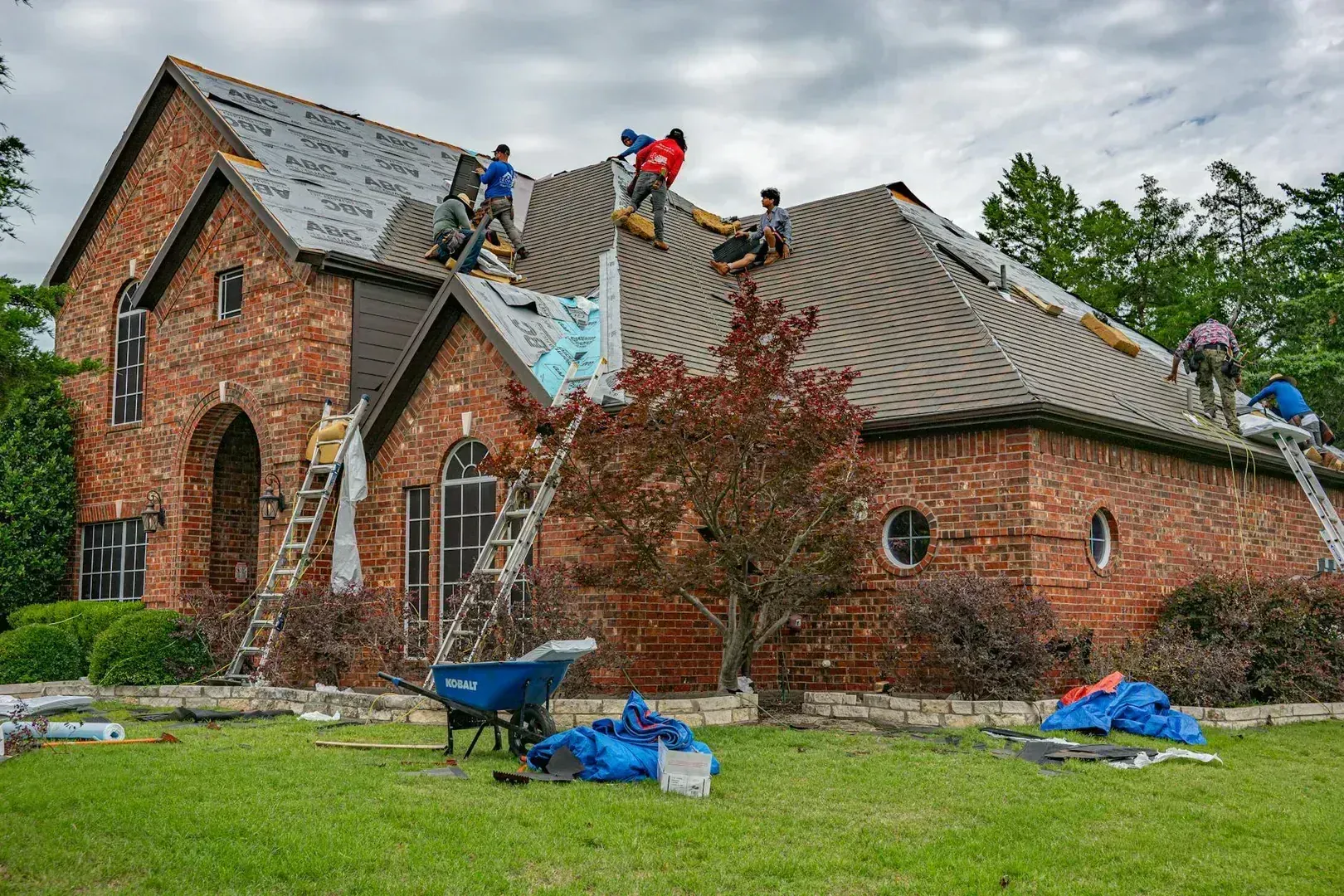
- Access: a steep pitch or a tall eave means scaffold, ladder, and safety harness time.
- Decking: rotted plywood or OSB adds sheathing and roof deck cost once we tear off the surface.
- Material: slate, tile, and metal cost more to source and handle than asphalt.
- Scope: a roof estimate that stops at the surface misses tar, adhesive, and coating that only appear after tear-off.
- Code: any repair touching the deck has to meet local building code, and steam ice or dam removal tricks from colder climates do not apply here.
- Insurance claims: we photograph hail damage and wind uplift so your claim carries evidence instead of adjectives.
We are a licensed and insured roofing contractor, and our roofing services cover repair, maintenance, and full replacement. We also serve small businesses and coordinate with other contractors when a job calls for it.
If you are comparing roofers near you, ask what they inspect before they quote. Call 2816990564 for a free estimate.
Customer satisfaction here usually comes down to one thing: whether we call back and arrive when we say we will. Our service areas cover the greater Houston region, and customer testimonials we receive tend to mention the same detail, which is a dry ceiling after the next storm.