A Roof Coating Job Starts With a Survey
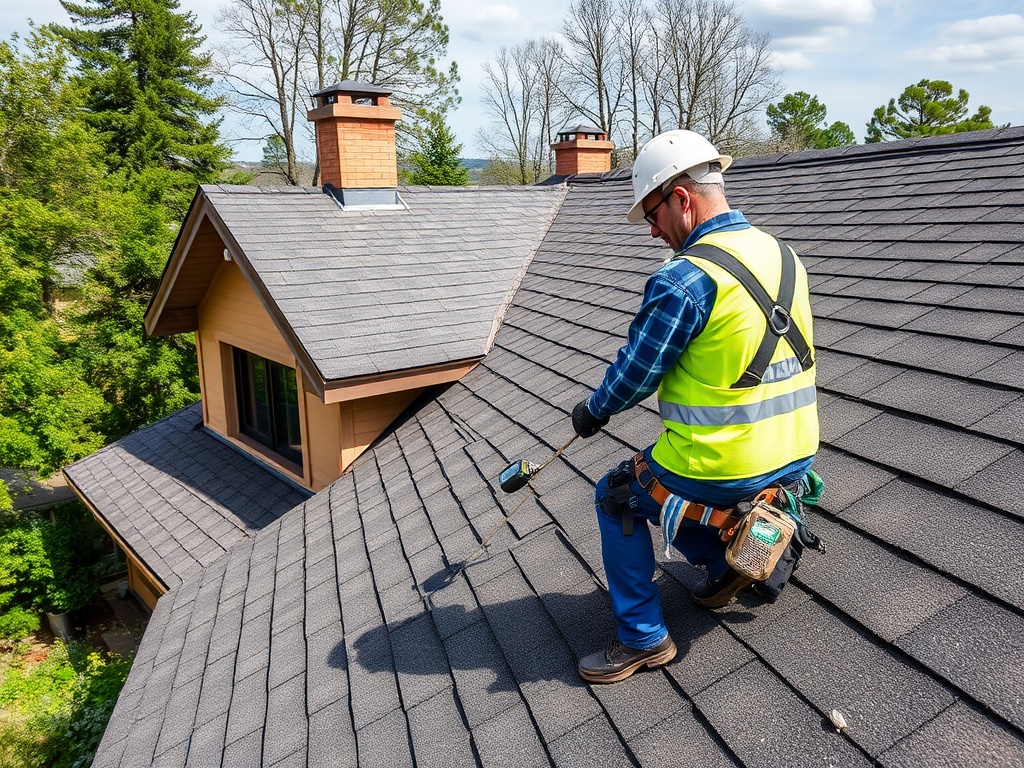
A coating bonds only to a sound substrate, so we begin with a roof condition survey. We walk the field, probe the roof deck and insulation for moisture, and mark every ponding water area on a flat roof.
Blistered membrane gets cut out, delaminated seams get pulled tight, and roof cement with reinforcing fabric patches each puncture we find.
How the Coating System Goes Down, Step by Step
We are a licensed and insured roofing contractor, and every project follows the same order from survey to final walk-through.
- Survey and moisture testing, where we check the sheathing, decking, and insulation with a meter and photograph each problem area.
- Repairs first, since a lifted drip edge, a cracked pipe boot, or a separated seam has to be fixed before a coating seals anything.
- Primer systems, rolled over chalky, granulated, or oxidized surfaces so the finish coat has something to grip.
- Detail work, where each parapet, scupper, coping edge, skylight curb, and vent boot gets a repair coat and fabric.
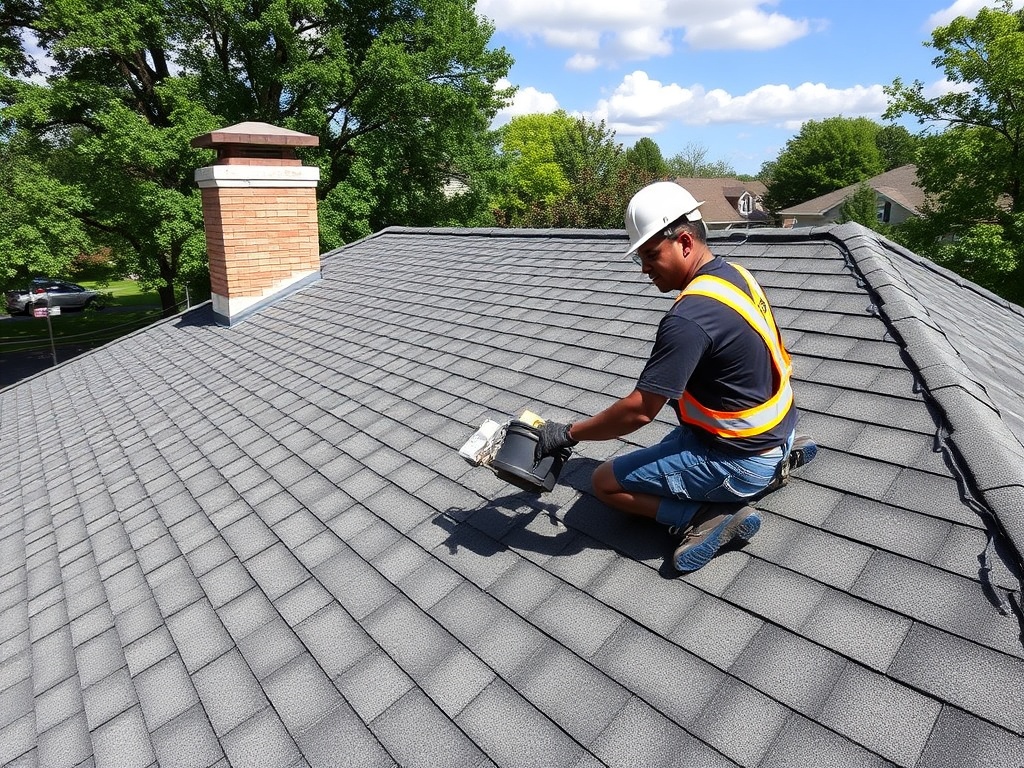
- Field application by roller, squeegee, or airless sprayer at the manufacturer's coverage rate, with wet film thickness checked as we go.
- Cure time, which runs a few hours to skin over and several days to cure fully, depending on humidity and dew point.
Every step exists to restore the weatherproofing and buy your building more years before a full roof replacement.
Silicone, Acrylic, and Polyurethane: Which Coating Fits
Coating families solve different problems, so we match the product to the rooftop instead of selling one system to every building owner.
- Silicone coating is the right call over ponding water, because it sheds standing moisture instead of absorbing it like an aged EPDM or TPO sheet.
- Acrylic coating is reflective and drops surface temperature, which slows UV degradation on asphalt shingle, felt, and modified bitumen surfaces.
- Polyurethane coating adds tensile strength and abrasion resistance where HVAC crews walk the same path every season.
- An elastomeric coating flexes with the substrate as it moves, which matters on a built-up roof that expands in Houston heat.
- GAF Unisil, Henry acrylic elastomerics, and Tropical Roofing systems publish coverage rate and tensile strength data we can warranty against.
Warning Signs That End-of-Life Wear Has Started
- Blistering looks like soft bubbles where trapped moisture pushes the membrane up off the deck after a storm.
- Alligatoring and chalking on tar, pitch, or asphalt mean the bitumen has oxidized and will flake under a new coat.
- Granule loss on an asphalt shingle exposes the mat and speeds wear across the whole field course.
- Rusted fasteners, backed-out screws, and pulled nails leave the roof open to wind uplift at the rake and eave.
- A sagging roofline or a spongy spot underfoot points to rot and decay in the plywood or OSB sheathing below.
- Clogged gutters and downspouts push water back under the drip edge, and that is where many of our leak calls begin.
Parts We Inspect on Every Coated Roof
- The ridge cap, ridge vent, and hip and gable edges, where fasteners loosen first and heat damage shows up.
- Valleys, step flashing, and counter-flashing, because that is where water concentrates and sealant finally gives out.
- Chimney flashing, pipe flashing, apron flashing, and boot flashing at each penetration through the surface.
- Soffit, fascia, and overhang along the eave, which rot quietly when a gutter overflows.
- Parapets, coping, and scuppers, since a blocked scupper turns a low-slope roof into a pond after one thunderstorm.
- Roof anchors, antenna mounts, and any leftover snow guard, because each one leaves a fastener hole that has to be sealed.
Rooftops We Coat, Mend, and Replace
- Flat and low-slope work covers TPO, EPDM, PVC membrane, modified bitumen, and built-up roof systems past their service life.
- Asphalt shingle roofs get three-tab shingle or architectural shingle fields, synthetic underlayment, and an ice-and-water shield at the eave.
- Wood shake and cedar shake need gentle handling, because the shakes split and hold moisture against the roofing felt and tar paper.
- Slate, clay tile, and concrete tile are heavy, so we check the truss, rafter, joist, and ridge beam load path first.
- Metal panel and standing-seam panel leaks usually start at a fastener or a seam, and a corrugated panel takes a different detail.
- We check the purlin, batten, and counterbatten on metal roofs, and we hang a vapor barrier where moisture keeps pushing up.
- Torch-applied modified bitumen and self-adhered sheets both land over a primed deck, though the self-adhered style relies on adhesive rather than flame.
Weather, Timelines, and What Drives the Cost
High humidity and frequent thunderstorms set our schedule. We work around dew point, because a fresh acrylic coat can blush when moisture condenses before it cures.
- Square footage of the field, plus how much of it is cut up by parapets, curbs, and rooftop equipment.
- Substrate condition, since a roof that needs full prep and primer costs more than one that only needs a wash.
- Penetration count, because every pipe flashing, chimney, skylight, and vent boot gets hand-sealed with mastic or caulk.
- Our roofers stage a dumpster for debris haul-off and set scaffold, ladder, and safety harness access on steep pitches.
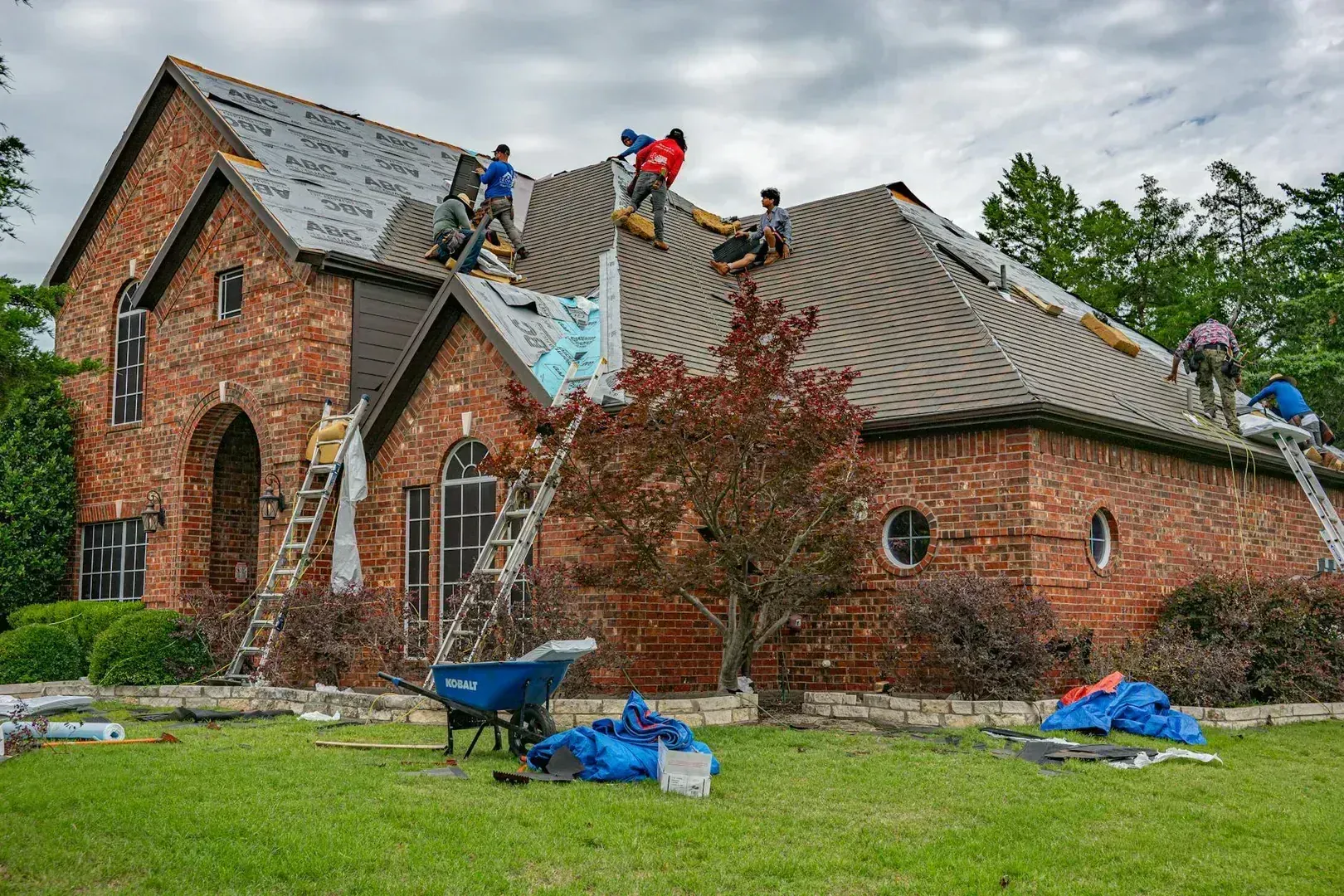
- A tear-off adds labor hours for the pry bar, roofing shovel, nail gun, and air compressor work alone.
- Coating type, because silicone coating runs higher per roofing square than acrylic, with polyurethane coating in between.
A coating extends the life of a sound roof. It cannot rescue soaked insulation, a rotted deck, or drainage the building code will not allow. When a tear-off is the right answer, we say so and quote it.