What a Full Roof Replacement Involves
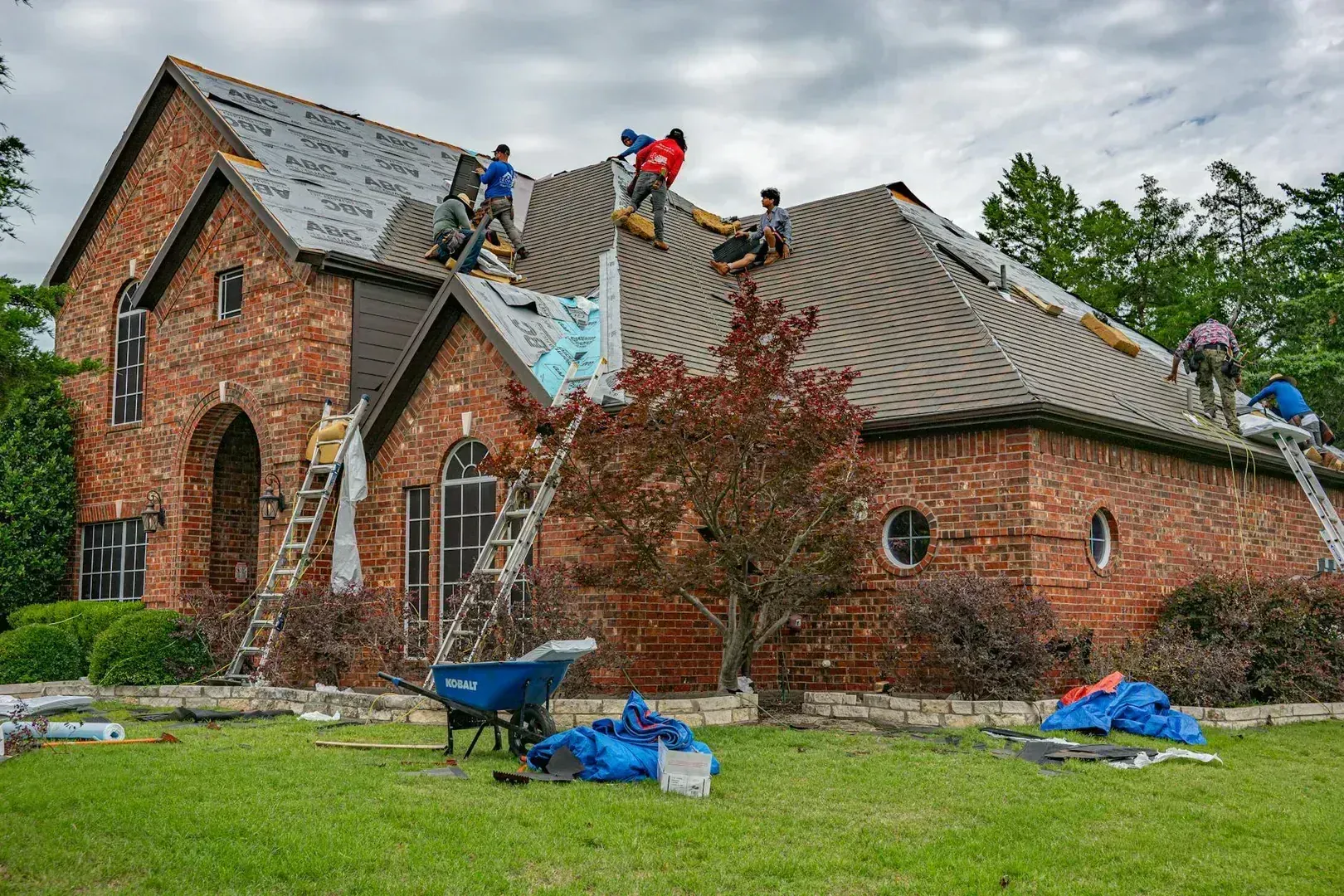
Roof replacement strips the old system down to the roof deck and builds it back with materials rated for decades of Texas sun and Gulf storms. We walk every job in this order so nothing gets skipped.
- We set a dumpster in the driveway and lay tarps, so debris and old roofing nails never end up in your grass.
- The tear-off removes every shingle, strip of roofing felt, and layer of tar paper right down to the substrate.
- We probe the sheathing by hand and replace soft OSB or plywood before new material covers it up.
- Ice-and-water shield goes down self-adhered along the eave and valley, where storm water backs up first.
- Synthetic underlayment covers the field, then new drip edge is fastened at the rake and eave above the fascia.
- Starter course goes first, then staggered courses of shingle fastened with ring-shank nails driven by a nail gun.
- Ridge cap, ridge vent, and flashing finish the job — step flashing at sidewalls, pipe boots at vents, counter-flashing and chimney flashing where the roof meets masonry.
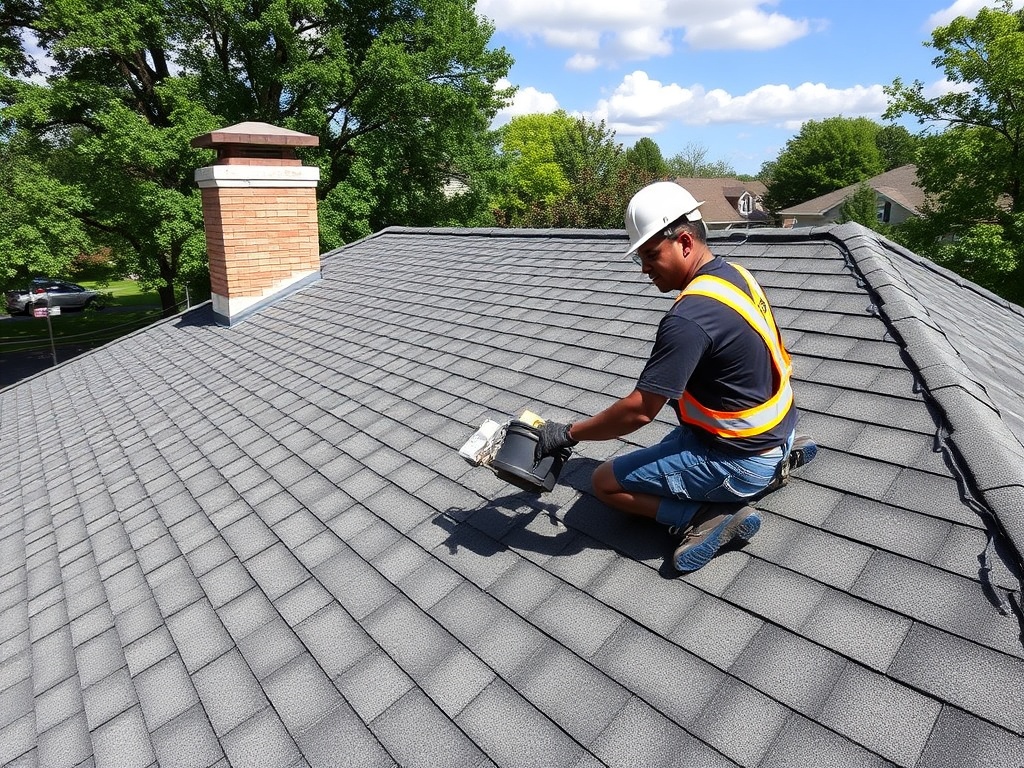
- We hand-seal the details with roof cement, then register your manufacturer warranty once the final inspection passes.
We will overlay or recover over one existing layer only when the deck is sound and you accept the shorter service life. A clean tear-off gives the new system a better substrate.
Materials We Choose and Why They Last Here
Shingle choice drives how long the roof lasts, and Houston heat punishes cheap material. We install architectural shingles such as GAF Timberline, Owens Corning Duration, and CertainTeed Landmark because their heavier mats resist wind uplift and granule loss better than a three-tab shingle.
- Synthetic underlayment outlasts old roofing felt and tar paper because it resists tearing and lets the deck breathe.
- Architectural shingle carries a heavier mat than three-tab, which matters when gusts peel at the edges.
- Metal roofing in a standing-seam panel or corrugated panel suits owners who want a longer service life and a cooler attic.
- Flat and low-slope sections use TPO, EPDM, or PVC membrane, since shingle needs pitch to shed water properly.
- Older flat roofs may carry a built-up roof of tar and bitumen, and we still turn to a torch to seal modified bitumen seams before capping them.
- We also tear off and replace wood shake, cedar shake, clay tile, concrete tile, and slate where the framing can carry the weight.
- Insulation and a vapor barrier go in where the attic needs them, because trapped moisture rots decking from underneath.
What Our Roof Inspection Looks For
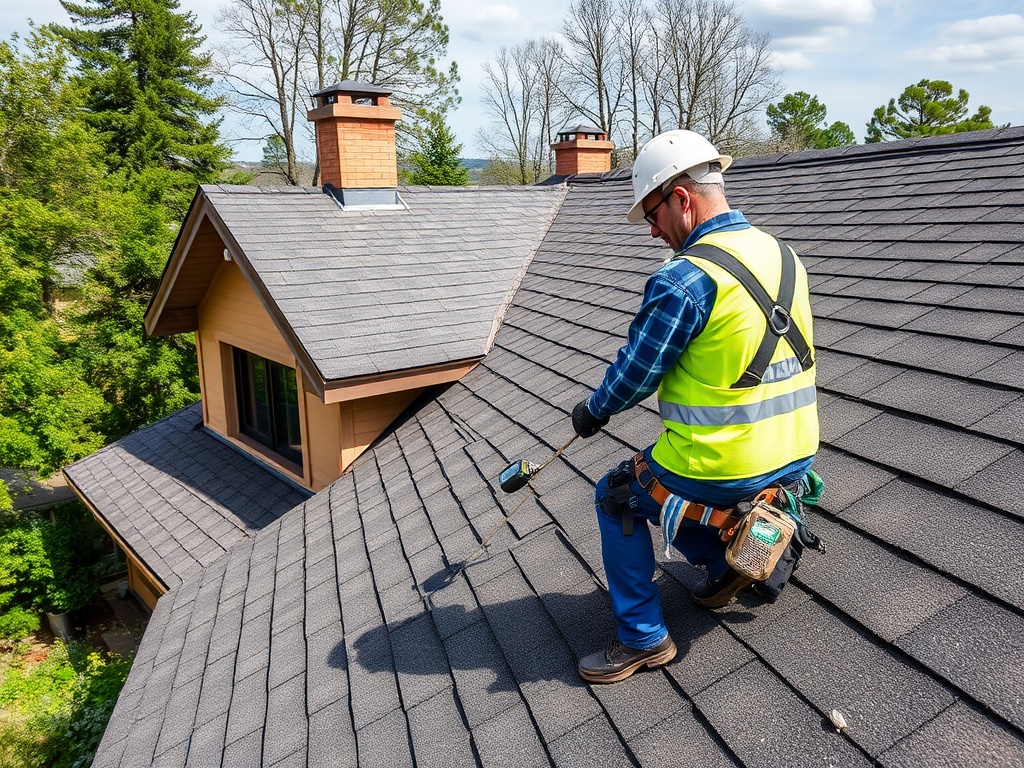
A roof inspection is the cheapest way to learn whether you need a repair or a full replacement. We check the whole assembly, not just the asphalt you can see from the driveway. Every roofer and roofing contractor on our crew checks the same short list.
- Granule loss shows as bald patches where asphalt has worn down toward the mat.
- Curled, buckled, or missing shingles mean the seal is broken and wind uplift will take more next storm.
- Blistered coating, peeling caulk, and alligatoring on modified bitumen signal end-of-life wear.
- Ceiling stains usually trace to pipe flashing, a vent boot, or counter-flashing rather than the open field.
- A sagging roofline or a soft spot underfoot points to rot in the sheathing, rafter, joist, or ridge beam.
- Water that wicks behind the fascia and soffit usually starts with a clogged gutter or downspout.
- Rusty or exposed fastener heads on a metal panel mean the sealant has failed and the screws need replacing.
- An ice dam is rare here, but a hard freeze can back water up at the eave and push it under the shingle.
Ridge vents and soffit vents work as a pair for attic ventilation, and an attic fan helps when the intake is undersized. Poor airflow cooks shingles from below.
Roof Shapes and Features That Change the Plan
Two houses on the same street rarely take the same crew or the same schedule. Pitch, shape, and penetrations decide how long the job runs and what we order.
- A steep hip or gable roof needs more ladder, scaffold, and safety harness time than a low-slope ranch.
- A mansard or gambrel roofline has two pitches, so each face gets its own underlayment and flashing detail.
- Dormers create valley and step flashing junctions, which is where slow leaks begin.
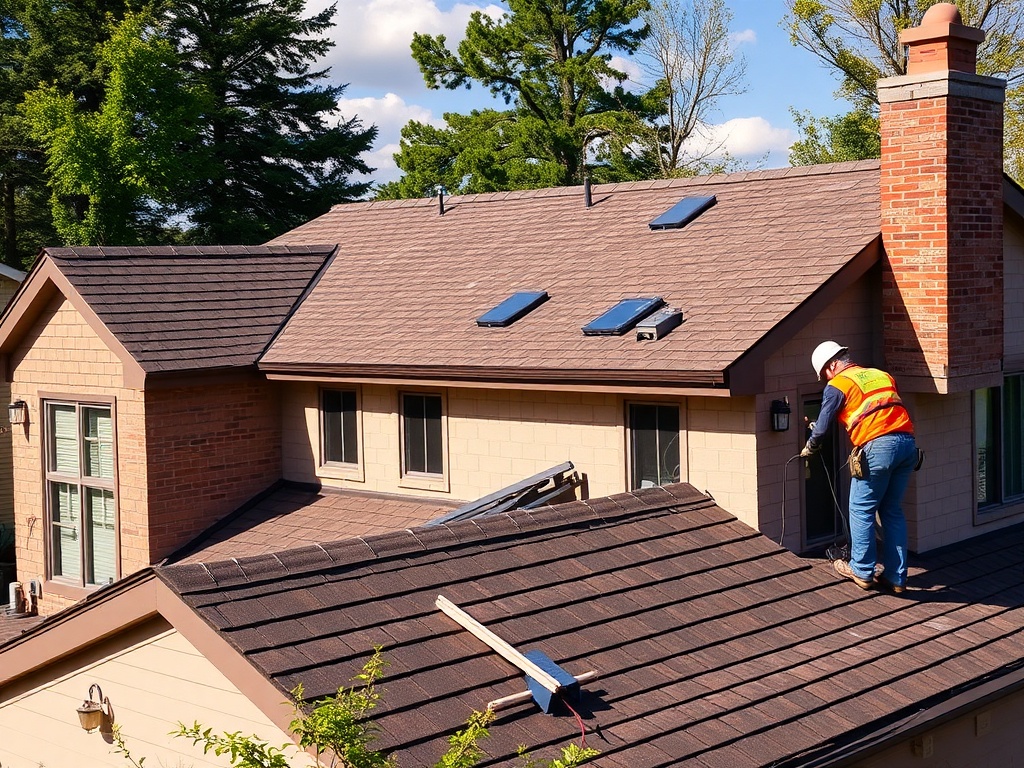
- A skylight, canopy, or awning bracket means we reset boot flashing and sealant at every penetration.
- On a commercial rooftop, the parapet, coping, and scupper drain all need waterproofing checked at the same time.
- Tile roofs sit on batten and counterbatten over a purlin system, so we inspect the framing before we quote.
- Snow guards and roof anchors are uncommon here, but we reset them where an earlier roofer installed them.
Timelines, Costs, and What Drives the Price
Most single-family replacements take one to two days of active work, weather permitting. A steep roof, a second layer to tear off, or decking repairs can push that to four.
- Square footage and roof pitch set the base labor, since steeper roofs need more staging and slower movement.
- Tear-off versus overlay, plus the cost of the dumpster and disposal, changes the total in a hurry.
- Decking repairs are billed per sheet when OSB or plywood has rotted past the point of sanding.
- Building code upgrades — new drip edge, ridge vent, or ice-and-water shield at the eave — add material but protect the warranty.
- Material grade separates a budget three-tab job from a full architectural shingle system by a wide margin.
Our crew runs a pry bar and roofing shovel for tear-off, an air compressor and nail gun for fastening, and a roofing square for layout.
We check the overhang, verify the verge line is straight, and confirm every pipe flashing and apron flashing is sealed at the end. Call 281-699-0564 for a free roof estimate.