How Commercial Roofing Work Runs, Start to Finish
Commercial roofing restores or replaces the low-slope membrane on a flat or gently pitched rooftop, and the order of operations decides how long the new system lasts. We begin with a roof asset survey instead of a sales pitch.
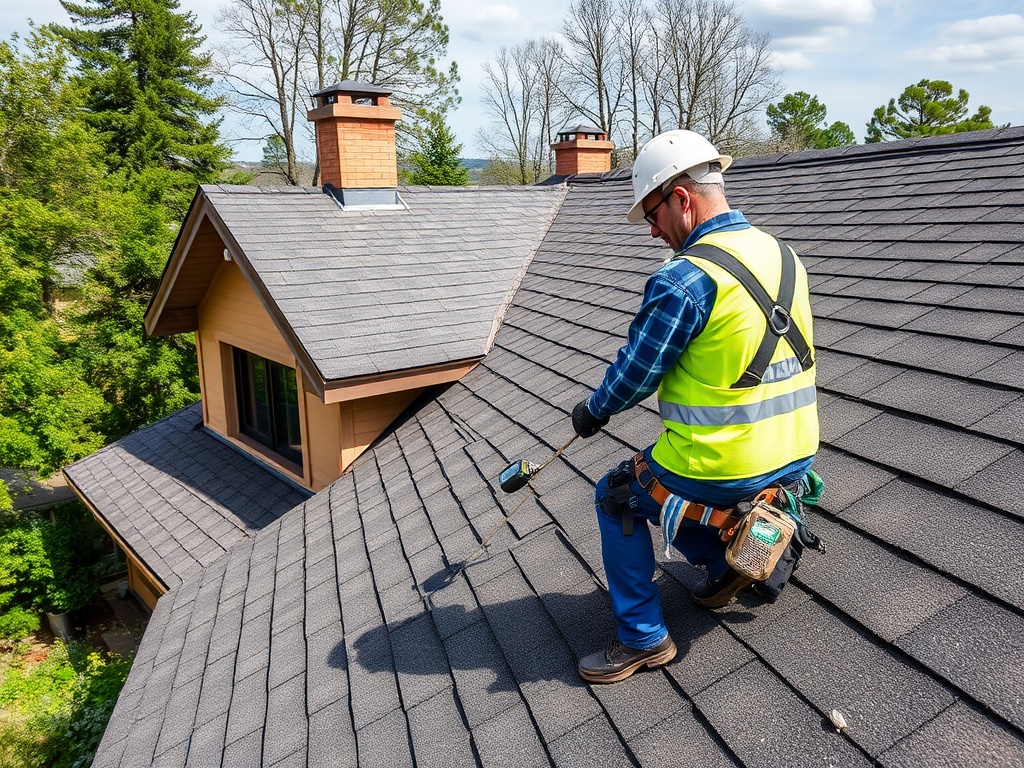
- Roof asset survey first. We walk the roof deck, mark saturated insulation, and photograph every drain, scupper, curb, and existing membrane seam.
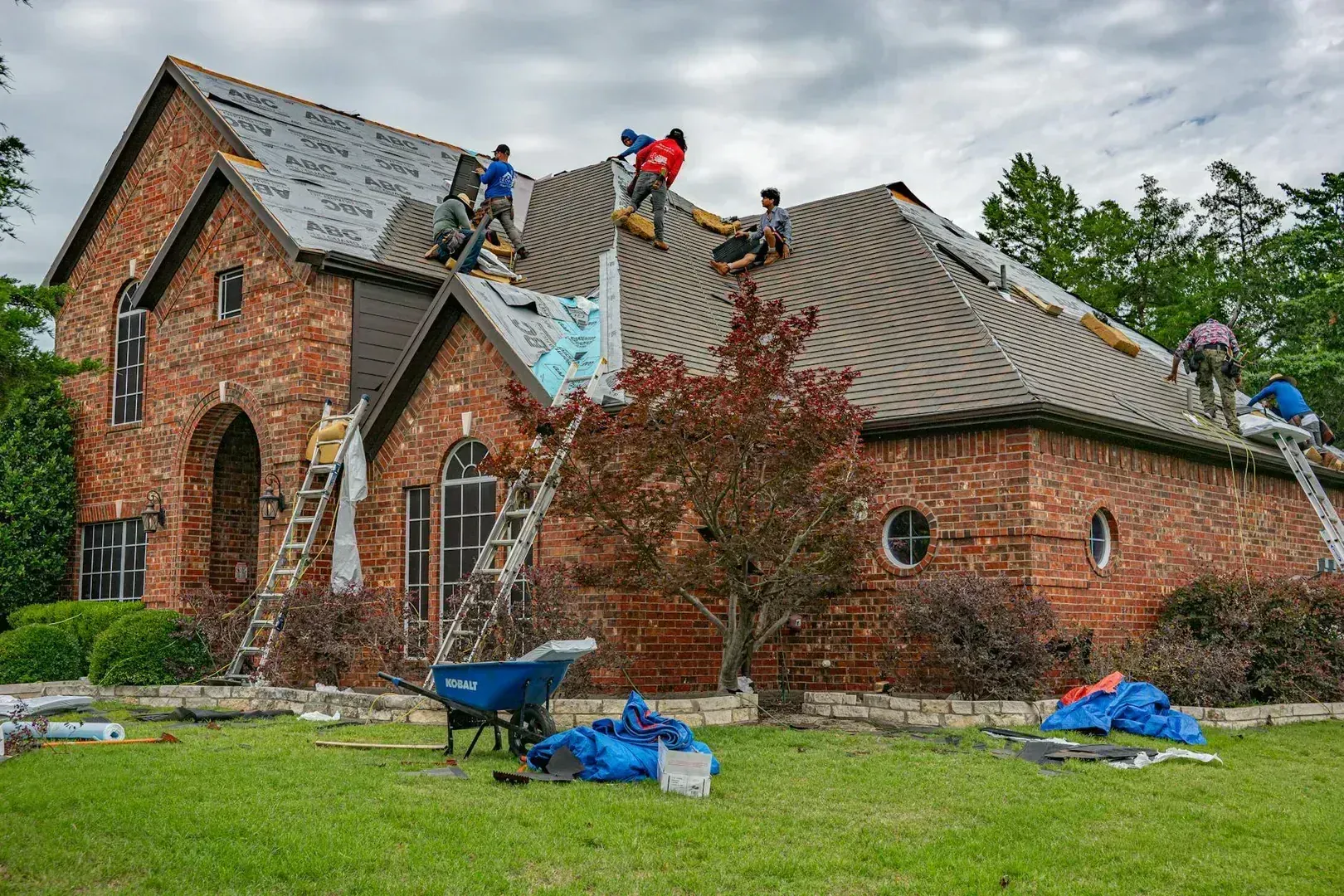
- Tear-off or recover. A recover over dry, well-adhered insulation saves dumpster loads, while wet or delaminated sections come off down to the substrate.
- Scaffold and safety harness. Crews stage scaffold at the parapet and tie off before the first bundle goes up the ladder.
- Insulation and cover board. We build R-value to the local building code, then set cover board so the roof deck drains flat and walks clean.
- Membrane and field course. TPO or PVC gets heat-welded, EPDM is spliced with adhesive and seam tape, and modified bitumen goes down in staggered courses.
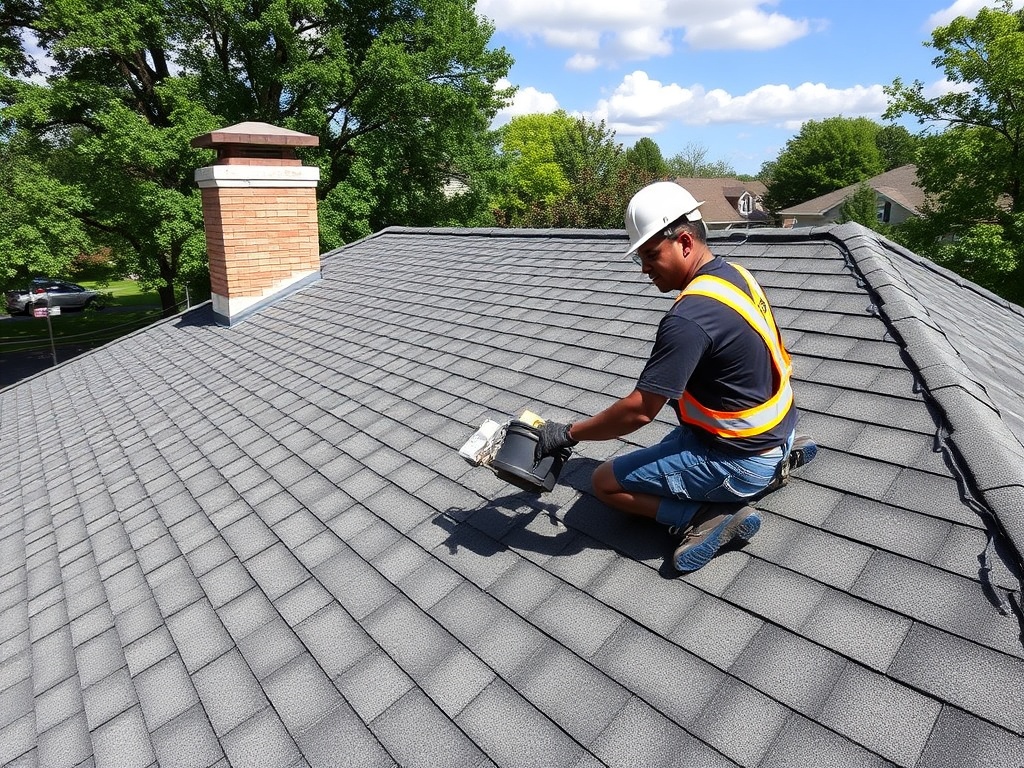
- Flashing details. Pipe boots, vent boots, counter-flashing at the parapet, and apron flashing at curbs are hand-sealed instead of rushed.
- Final roof inspection. You receive photos, a written report, and warranty registration before the dumpster leaves the property.
Choosing the Right Membrane System
System selection decides both the warranty length and how often we see you again. Each membrane solves a different problem, so we match it to your building rather than to whatever sits stacked in the yard.
- TPO membrane is a reflective single-ply that sheds heat, and heat-welded seams fuse it into one continuous sheet.
- EPDM is the black rubber single-ply that stays flexible through hail, thermal shock, and hard sun.
- PVC membrane shrugs off grease and kitchen exhaust, which makes it the pick above restaurant space.
- Modified bitumen comes self-adhered or torch-applied, and it fits small roofs and repair-heavy budgets.
- Built-up roof, or BUR, layers roofing felt with asphalt bitumen in staggered courses and still works on older buildings.
- Metal panel and standing-seam panel systems give long spans and hidden fasteners on steep commercial rooflines.
- Roof coating buys years on a sound membrane when replacement is not in this year's capital plan.
We install assemblies from Carlisle SynTec, GAF EverGuard, Firestone, Johns Manville, and Versico, then register the 15-to-30-year no-dollar-limit warranty under your ownership entity.
What a Roofer Looks For on Inspection
A roof rarely fails all at once. It seeps and wicks season after season until a tenant reports a ceiling stain. Here is what we document before we quote anything.
- Ponding water that settles near a drain and rots the insulation sitting beneath it.
- Blistering and delamination where trapped moisture pushes the membrane off its substrate.
- Alligatoring and chalking on aging bitumen, the classic end-of-life wear pattern.
- Backed-out fasteners and seam splits where wind uplift worked screws loose over storm seasons.
- Granule loss on asphalt shingle systems, which exposes the felt and speeds UV degradation.
- Cracked and spalled masonry at the chimney, plus a coping cap peeling away from the parapet.
- Sagging gutters and downspouts that push water back under the eave and into the fascia.
- Soft plywood or OSB sheathing you find with a pry bar, not with your eyes.
- Failed mastic and roof cement around pipe flashing, which lets water seep into the decking.
Houston Conditions That Change the Schedule
High humidity and frequent thunderstorms keep water on a flat rooftop longer than in drier markets. Gulf storm winds test every edge metal and fastener, so perimeter attachment gets extra time in the schedule.
Heat and UV age a membrane from the top down, and ventilation matters as much as the covering. We balance ridge vent with soffit vent intake so the roof deck runs cooler and your cooling load drops.
Ice dam risk is rare here, but ice-and-water shield still goes at valleys and low-slope transitions where wind-driven rain backs up under the shingles.
Timelines, Warranties, and Cost Drivers
A recover on dry insulation can take a few days. A full tear-off with wet decking, new insulation, and tenant coordination can stretch across a few weeks. Weather windows and building access set the pace.
- Square footage and roof pitch drive crew hours and material counts.
- Tear-off versus recover changes both labor time and dumpster totals.
- Insulation R-value required by current building code, plus cover board thickness.
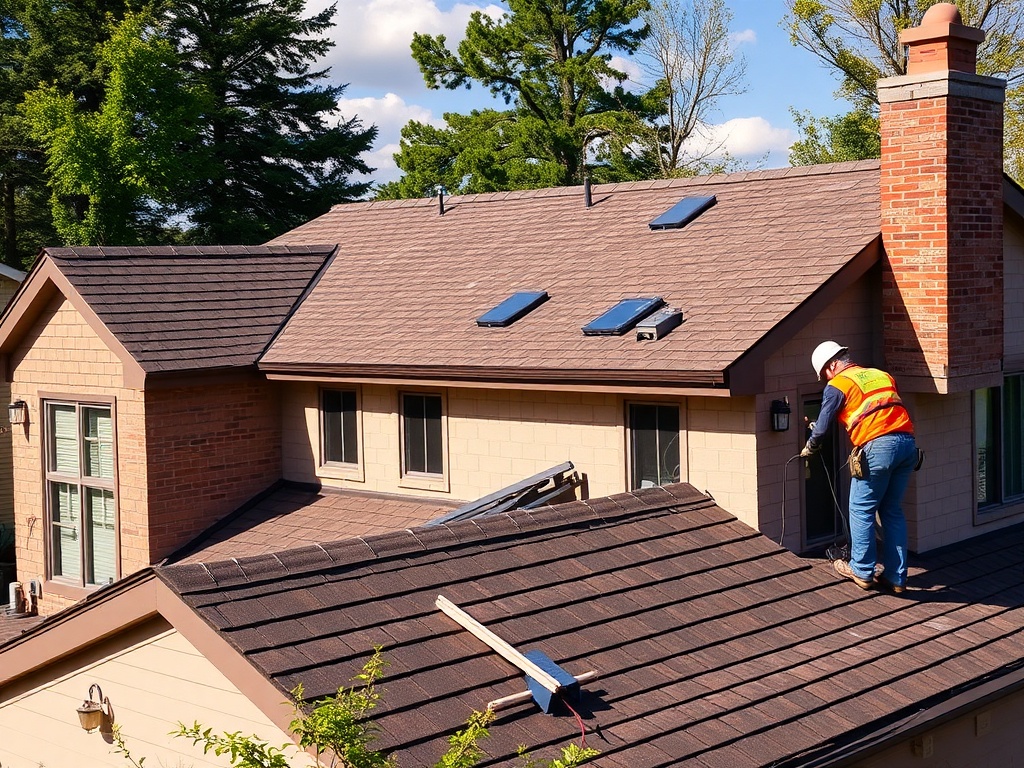
- Penetration count: HVAC curbs, skylights, vents, and pipe boots each need flashing.
- Access, including any canopy, awning, or overhang that blocks a lift or hoist.
- Phasing around tenants and business hours instead of closing the building.
- Whether a roof estimate bundles gutter installation and downspout work or lists it separately.
Ask for a line-item estimate and we will show you where every dollar lands, from substrate repair to the final roof inspection.