What a Roof Inspection Actually Covers
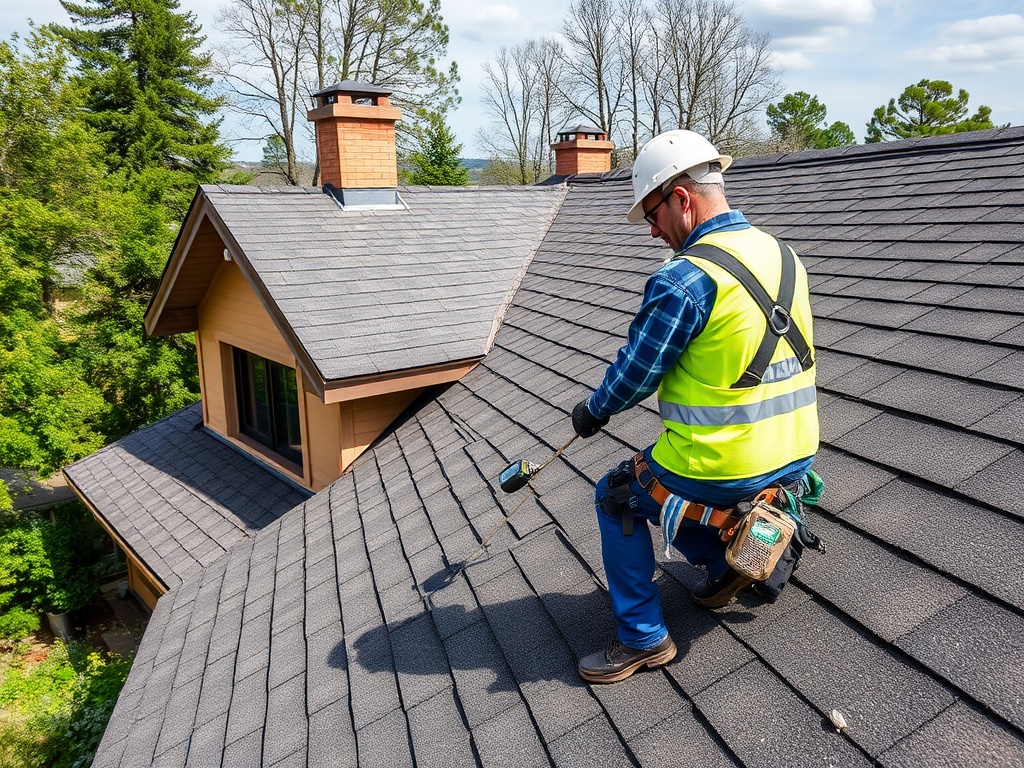
Roof inspection is a top-down look at the rooftop, the attic beneath it, and the water path between the two. We finish in the attic on purpose. Plenty of the leaks we find in Houston never show up on the shingles first.
- Drone imagery captures the whole roofline, including the ridge, hip, and valley angles a ladder angle cannot reach.
- A moisture meter reads the roof deck and insulation for damp spots that have not stained a ceiling yet.
- An infrared scan locates wet sheathing, rot, and hidden decay behind a closed attic wall.
- A written report with dated photos reaches you the same day, ready for an insurance claim or a home sale.
Components We Check on a Comprehensive Inspection
A roof is a system, not a stack of shingles. Here is what we walk, probe, and photograph on every residential or commercial call.
- Flashing where the roof meets a wall or chimney, including step flashing, counter-flashing, and apron flashing.
- Pipe flashing at a pipe boot, and vent boots, crack under UV exposure and drip straight onto the decking.
- Ridge vent, soffit vent, and attic fan work as one ventilation system; block any of them and the insulation below cooks.
- Gutter and downspout runs get checked for pitch, debris, and standing water backing up under the drip edge.
- Fascia and soffit boards rot from the back side, where overflow from a clogged eave line soaks in unseen.
- Eave, rake, verge, gable end, and ridge cap mark where water moves fastest and caulk fails first.
- Roof deck panels, plywood or OSB, plus the truss, rafter, joist, and ridge beam carrying the load.
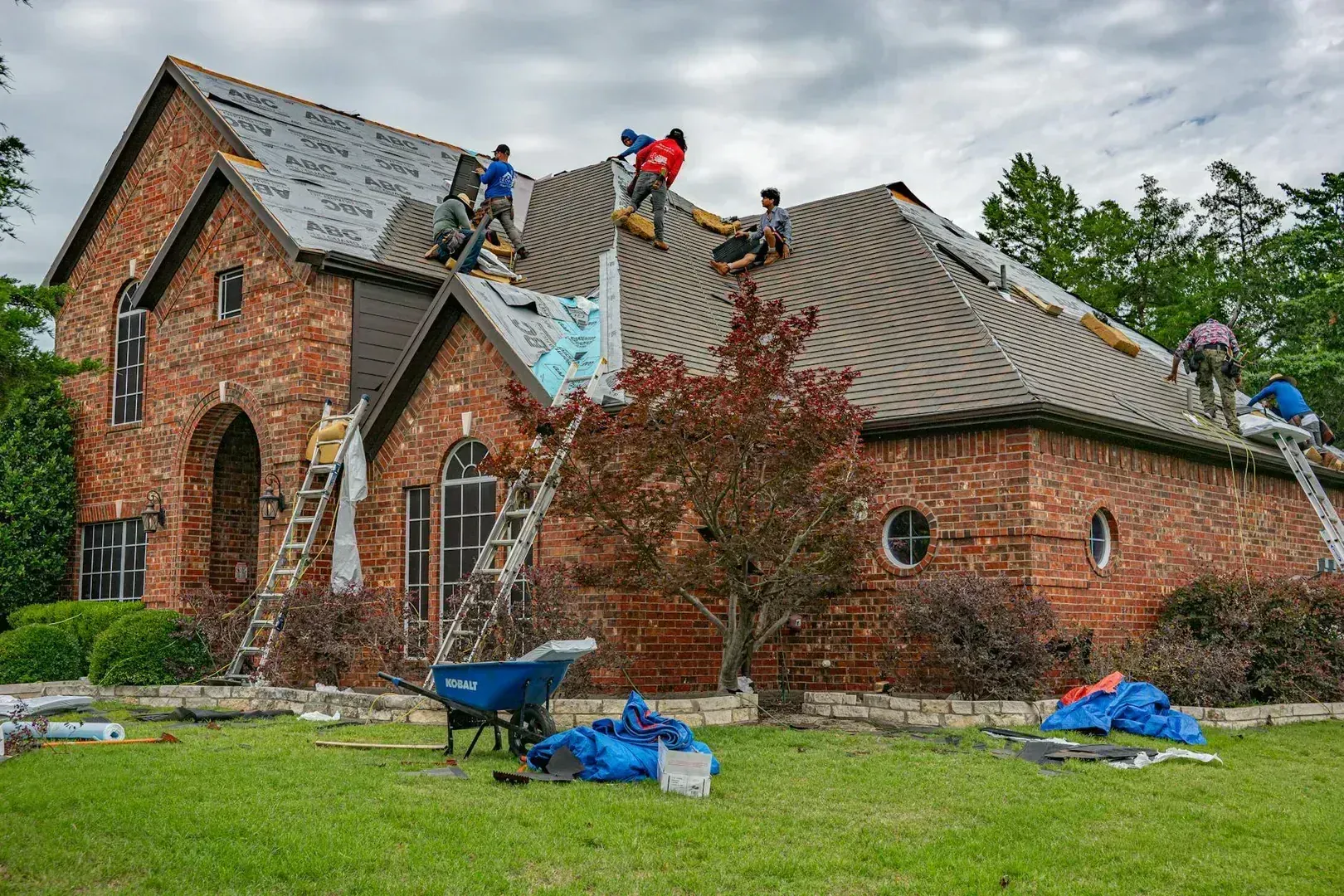
- Ice-and-water shield at the eave, a starter course at the rake, synthetic underlayment, roofing felt, and tar paper on the field course.
- Asphalt shingle profiles, three-tab shingle, architectural shingle, and laminated, each age at a different rate.
- Tile, clay tile, concrete tile, slate, wood shake, and cedar shake need different walking and probing methods than asphalt.
- Metal panel, standing-seam panel, and corrugated panel get screw, gasket, and fastener checks.
- Membrane roofs such as TPO, EPDM, PVC membrane, modified bitumen, and built-up roof, plus tar and bitumen at seams.
- Commercial details like parapet walls, coping, scupper drains, and a mansard or gambrel roofline.
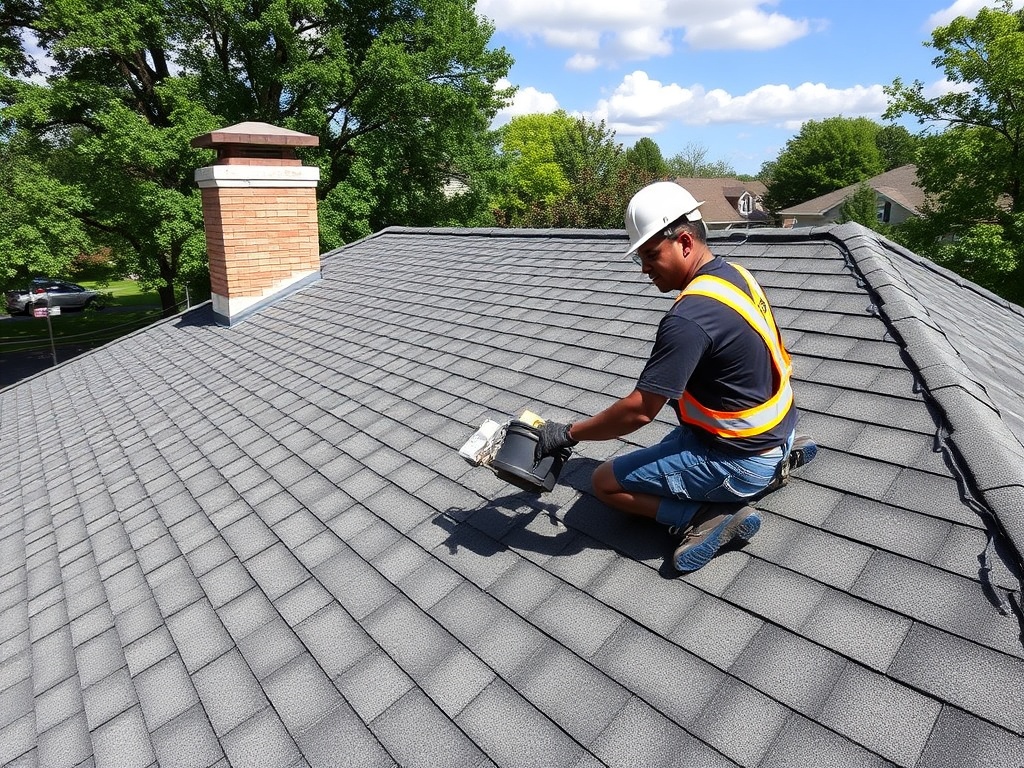
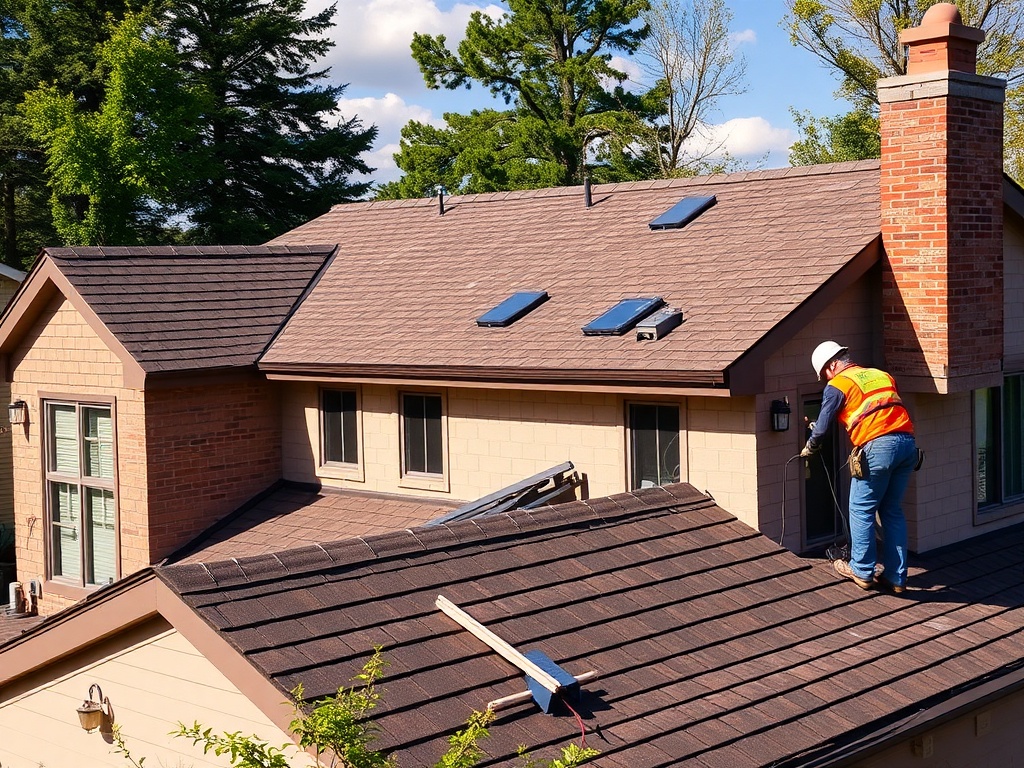
- Penetrations at a skylight, dormer, chimney, canopy, awning, or overhang.
- Purlin, batten, counterbatten, and substrate on metal and tile assemblies.
- Waterproofing and weatherproofing details, because surface coating only lasts as long as the flashing beneath it.
- Vapor barrier placement, anchor points, and any snow guard bracket a previous crew left behind.
Warning Signs and How Houston Weather Accelerates Them
End-of-life wear rarely announces itself. Water seeps, wicks, and erodes its way through a roof for months before a stain shows on your ceiling.
- Granule loss in the gutter means the asphalt is eroding and the mat is exposed to UV.
- Rot and decay in fascia or decking usually start where sealant peeled away years earlier.
- Sag and settle along the roofline point to a wet rafter or joist, a problem no roofer can solve from outside.
- Blistering, alligatoring, and flaking coating on a modified bitumen or built-up roof mean the membrane is delaminating.
- Ponding water on a flat roof and corrosion on metal panels shorten the next repair window.
- Ice dam and steam ice are uncommon here, but a north-facing eave can still freeze after a hard January front.
Houston humidity, afternoon thunderstorms, and hurricane-force winds from Gulf storms push water sideways. Wind uplift tests every nail and fastener, which is why ring-shank nails and staggered courses hold up better than staples in this market.
Timeline, Cost Drivers, and the Report You Receive
A standard roof inspection runs 60 to 90 minutes on a house and two to three hours on a commercial building. The written report reaches you within 24 hours.
- Cost drivers include roof pitch, penetration count, and whether the fix is a repair or a full tear-off.
- A recover or overlay only works when the existing substrate is sound, and we say so plainly when it is not.
- Our crew works off a ladder or scaffold, with a safety harness clipped in above a 6/12 pitch.
- Open-flame torch work stays off the table on most shingle roofs; self-adhered membranes are safer and just as tight.
- A pry bar, roofing shovel, nail gun, and air compressor come out only when inspection turns into repair.
- Debris goes into a dumpster on site, and we measure each plane with a roofing square before quoting.
- Your free roof estimate includes a line-item breakdown and notes on building code items like ventilation and eave protection.
Call 281-699-0564 to book a roof inspection. As a licensed and insured Houston roofing contractor, we will tell you when a repair is the honest answer and when it is not.