What skylight installation involves, step by step
Skylight installation starts with measurements taken from inside the attic, not from the shingles above. We mark the rafter bays, check headroom for the shaft, and confirm the opening clears every truss before anyone cuts.
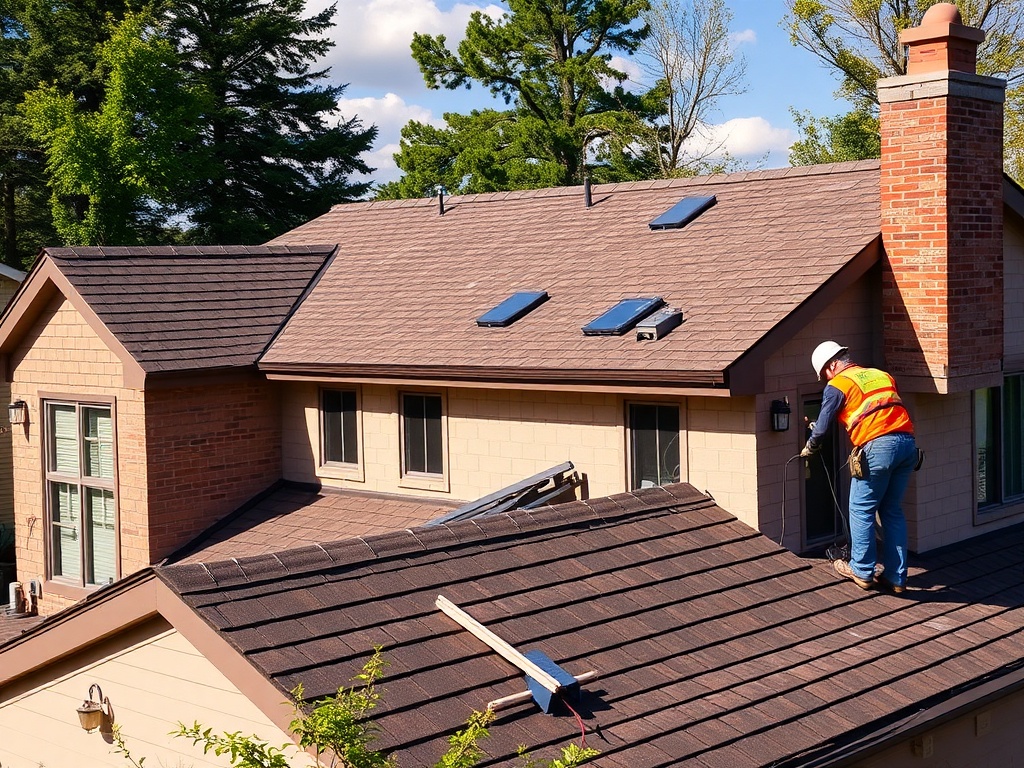
- We open the roof deck with a pry bar and roofing shovel, cutting between rafters so no truss or ridge beam carries the new load.
- Framing follows: doubled joists, new headers, and a curb squared to the pitch so the unit sits level on the rooftop.
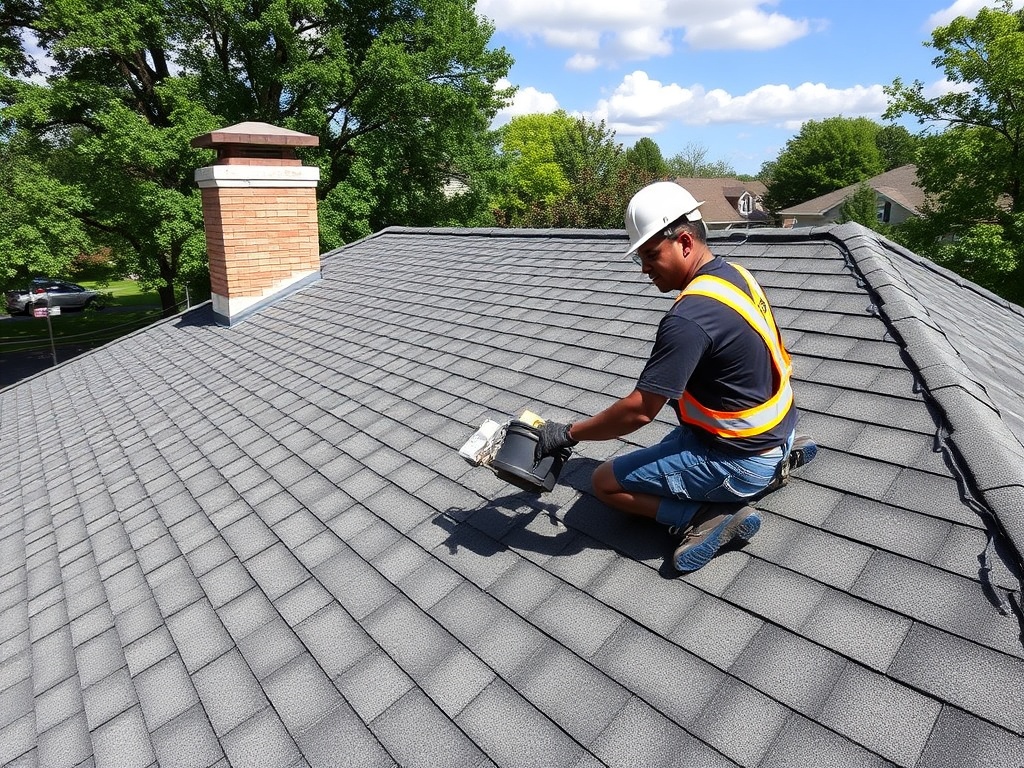
- Ice-and-water shield lines the curb, and a self-adhered membrane laps up both sides before any metal goes down.
- Step flashing and counter-flashing tie the frame into the field course, with a bead of sealant under every lap.
- Inside, we build the shaft, pack insulation tight, and finish drywall to match your ceiling texture.
- A hose test and roof inspection close the job, and the dumpster and debris leave the same afternoon.
Materials we install, and why Houston weather decides them
Fixed skylights never open, and they suit most homes here because there is less hardware to fail. Vented skylights push trapped heat out in July, while solar-powered blinds cut glare with no new wiring.
A sun tunnel costs less when a hallway only needs daylight.
- Tempered glass with a laminated inner pane resists the hail that Gulf storms drive inland.
- VELUX and Solatube units ship with factory flashing kits, which matters more than the glass spec on a retrofit.
- Silicone or butyl sealant goes under every flange, because Houston humidity finds the smallest gap.
- Synthetic underlayment outperforms roofing felt and tar paper on a deck that stays damp most of the year.
- Roof cement and mastic seal the small returns around a curb, and a coating protects older low-slope sections.
Flashing a skylight depends on what covers your roof
No two rooftops take the same detail. The covering you already have decides the metal, the fasteners, and how long the crew spends sealing the curb.
- On an asphalt shingle roof, step flashing is woven into each course and the field shingles are laid back over it.
- Architectural shingle hides a curb kit better than three-tab shingle, though both take the same pan.
- Wood shake and cedar shake need a wider headlap plus an apron flashing that will not stain the wood.
- Slate, clay tile, and concrete tile call for a hand-cut or soldered pan, since the tile cannot be walked afterward.
- A metal panel roof gets a clamp built for a standing-seam panel, while a corrugated panel takes a butyl boot sized to the rib.
- Low-slope areas use a TPO, EPDM, or PVC membrane, and sometimes a modified bitumen cap over a built-up roof.
- Older homes still carry tar, bitumen, and felt, often roofing felt or tar paper laid over plank decking instead of plywood or OSB.
What we inspect before we cut anything
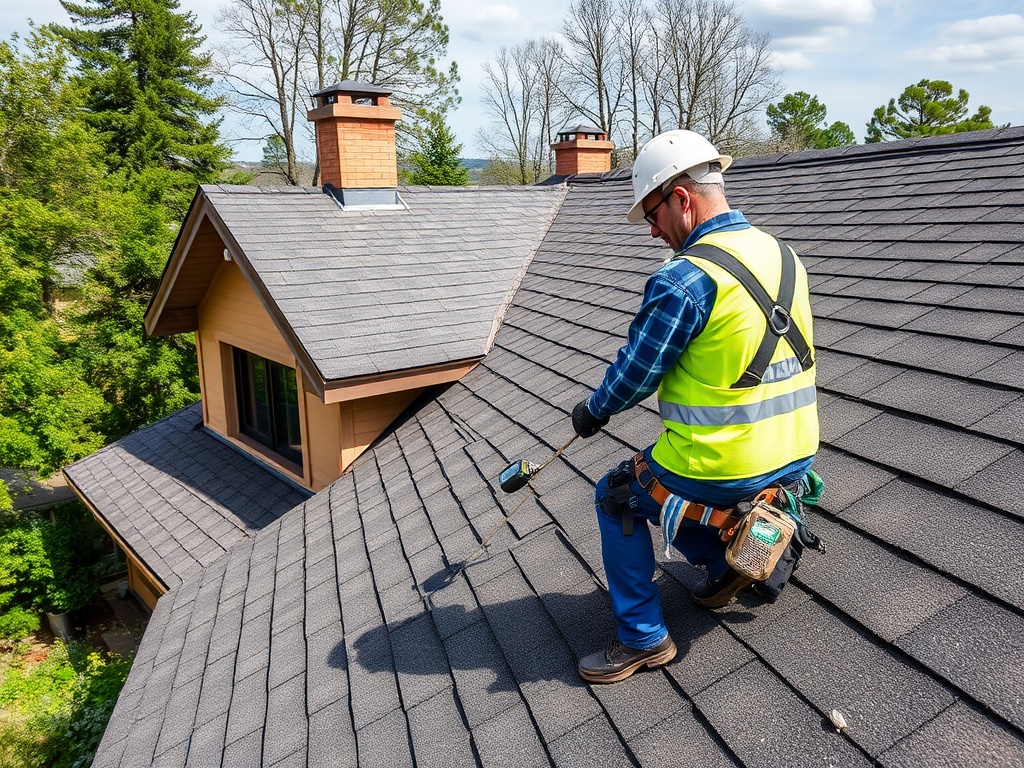
A roof inspection comes first, and it decides whether this is a one-day install or a repair project. We look at the structure, the old flashing, and the attic before we quote a number.
- Decking and sheathing, because soft plywood or OSB will not hold a curb or a fastener under wind uplift.
- Rot, decay, and sag around the old unit, which usually means the seal failed years before the ceiling stain appeared.
- Chimney flashing, apron flashing, and boot flashing at pipe boots, since a nearby valley or dormer changes the water path.
- Drip edge, eave, rake, fascia, soffit, and gutter or downspout condition along the roofline.
- Ventilation: soffit vents, an attic fan, and a ridge vent all control how much moisture the new shaft sees.
- Waterproofing failures such as granule loss, blistering, alligatoring, ponding, and delamination near the opening.
- Gable, hip, mansard, and gambrel roofs, plus any overhang, canopy, or awning that shades the opening.
Timelines, cost drivers, and when a skylight is the wrong call
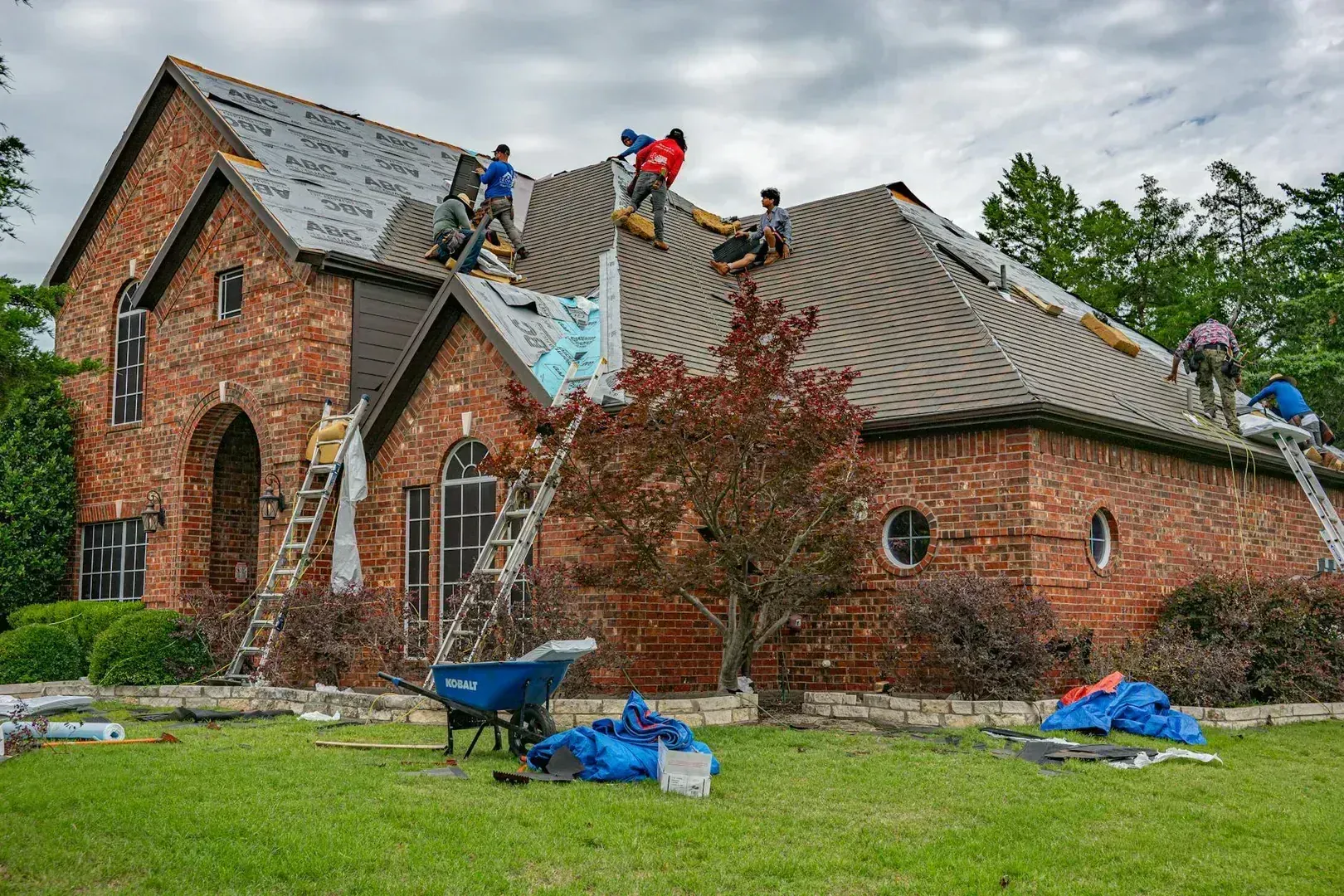
A typical installation takes one day on a shingle roof with sound decking. Add a second day when sheathing, rafters, or a parapet wall needs work first. Curb-mounted units cost more than deck-mounted ones, and large glass drives the price up fastest.
- Unit size matters most: a small fixed skylight lands far below a vented unit with solar-powered blinds.
- Roof covering sets labor, since tile and slate take longer to reset than an architectural shingle field course.
- Local building code may require tempered glass in certain rooms, and a permit adds a fee to the total.
- A decayed roof deck or a cracked truss turns a simple install into structural framing work.
We will tell you when a sun tunnel beats a skylight, and when the better answer is a roof repair instead.
We do not engineer structural changes or handle interior remodeling beyond the shaft, so we say so up front.
Call 281-699-0564 for a free roof estimate. We work as a Houston roofing contractor on skylights, roof replacement, and storm damage repair.